
Table of Contents
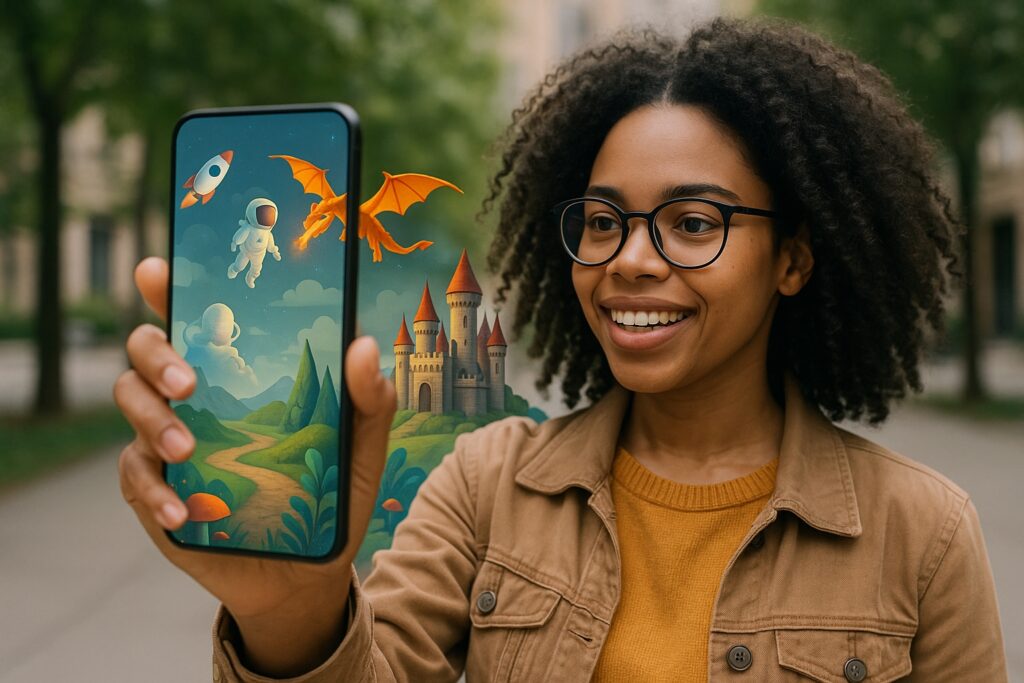
ToggleIn a world where filters reign supreme and selfies are practically an art form, augmented reality photography is taking things to a whole new level. Imagine snapping a picture and instantly transforming your mundane surroundings into a whimsical wonderland. With AR, it’s not just about capturing a moment; it’s about creating an experience that makes your friends question your sanity—or perhaps your genius.
Overview of Augmented Reality Photography
Augmented reality photography blends digital enhancements with real-world environments, allowing users to elevate their photographic experiences. This innovative approach transforms ordinary scenes into interactive narratives.
Definition and Concept
Augmented reality photography incorporates computer-generated images into real-time photographs. It enables users to superimpose digital elements, enhancing visual storytelling. Tools like smartphones and AR glasses nowadays facilitate this fusion of digital and physical realms. Popular applications include social media filters and interactive experiences in various settings. By manipulating digital art, users create unique visuals, capturing moments that transcend typical photography. This concept appeals to creative minds seeking fresh ways to express themselves through images.
Historical Context
The origins of augmented reality photography date back to the early 1990s when researchers began exploring virtual overlays. The technology gained traction with advances in mobile devices and software. In 2011, apps like Layar introduced users to augmented reality experiences through smartphones. Growth continued as companies recognized its potential for user engagement. The rise of social media platforms fueled popularity, making AR filters commonplace. Today, augmented reality photography stands at the intersection of technology and creativity, reshaping how individuals interact with their surroundings and capture memories.
Applications of Augmented Reality Photography
Augmented reality photography finds applications across various domains, enhancing user experiences.
Creative Expressions
Artists utilize augmented reality photography to push creative boundaries. It allows creative individuals to blend digital art and real-world images seamlessly. Photographers can overlay animations or interactive elements, enriching visual narratives. This innovation encourages immersive storytelling, where viewers engage with content on multiple levels. Events and exhibitions increasingly feature AR installations, inviting audiences to explore art interactively. Creators leverage platforms like Instagram or Snapchat to share AR-enhanced images, attracting wider engagement. Such dynamic expressions transform ordinary snapshots into captivating visual stories.
Commercial Uses
Businesses harness augmented reality photography for marketing strategies. Retail brands implement AR experiences to showcase products interactively. Customers can visualize items in their own spaces before making purchases. Ads and campaigns leverage AR to create memorable connections, increasing brand awareness. The real estate sector adopts virtual staging techniques, allowing prospective buyers to visualize properties realistically. Restaurants use AR menus, enabling diners to see dishes before ordering. These approaches enhance consumer engagement, driving sales and improving customer satisfaction. Companies recognize the need to innovate in photography through AR tools for deeper connections.
Tools and Technologies
Augmented reality photography relies on a variety of tools and technologies that enhance user experience and creativity. Both software and hardware play crucial roles in creating immersive AR experiences.
Software Solutions
Numerous software solutions exist for augmented reality photography. Applications like Adobe Spark and Snap Camera allow users to create AR graphics easily. ARKit and ARCore provide frameworks for developers, facilitating the integration of AR features into new apps. Tools such as Lens Studio enable designers to build custom filters on platforms like Snapchat. Users often find these applications enhance personalization, making photography more engaging and interactive.
Hardware Requirements
Specific hardware is essential for optimal augmented reality photography. Modern smartphones, particularly those from Apple and Google, incorporate advanced cameras and sensors that support AR functionalities. AR glasses like Microsoft HoloLens and Magic Leap One offer immersive experiences by overlaying digital content in real environments. These devices often utilize high-definition displays for better integration. Users benefit from faster processing power and improved battery life, enabling extended AR sessions.
Benefits of Augmented Reality Photography
Augmented reality photography offers numerous advantages that enhance both the creation and experience of visual content.
Enhanced User Experience
Augmented reality transforms user interaction with photography into an engaging journey. It blends real-world settings with digital elements, captivating audiences and encouraging exploration. Users can apply filters, animations, and 3D objects, making their images unique and personalized. Compatibility with smartphones and AR glasses amplifies accessibility, allowing for spontaneous creativity. Immediate feedback from augmented reality apps fosters experimentation, leading to distinctive visual styles. Increased shareability of AR photos across social media platforms further enhances user engagement, as individuals capture and share their imaginative creations with a wider audience.
Innovative Storytelling
Storytelling becomes dynamic through augmented reality photography. Users can weave narratives by integrating animations and interactive elements into their visuals. This integration elevates static images into immersive experiences that draw viewers into the story. Artists and brands craft compelling narratives by utilizing AR, effectively capturing attention in saturated markets. Events and exhibitions increasingly employ AR installations, captivating attendees with visual narratives that surpass traditional photography. Customers engage with products in a context that resonates, improving their emotional connection to the brand. Augmented reality photography reshapes storytelling, blending creativity and technology to produce memorable experiences.
Challenges and Limitations
Augmented reality photography faces notable challenges and limitations that impact its widespread use. Technical constraints hinder the full realization of AR’s potential.
Technical Constraints
Hardware limitations pose significant obstacles. Many devices lack the processing power necessary for complex AR applications. Software compatibility issues also arise; not all smartphones support advanced AR features. High-quality AR experiences often require cutting-edge technology, which can be expensive. Additionally, battery consumption increases with AR usage, leading to shorter usage times. These constraints can frustrate users who seek seamless experiences in augmented reality photography.
User Adoption Issues
User adoption remains a challenge due to several factors. Some individuals lack familiarity with AR tools, resulting in reluctance to explore new technologies. Privacy concerns may deter users from sharing personal data required for AR applications. The steep learning curve associated with some AR platforms can inhibit engagement. Moreover, not everyone sees immediate value in adopting AR for photography, impacting its popularity. As a result, overcoming these barriers proves essential for expanding augmented reality photography’s reach.
Augmented reality photography is revolutionizing the way individuals capture and share their experiences. By blending digital enhancements with real-world environments, it offers a platform for creativity that goes beyond traditional photography. As technology continues to evolve, the potential for AR photography will only grow, paving the way for innovative storytelling and immersive experiences.
Despite the challenges that come with AR, such as technical limitations and user adoption, the benefits are undeniable. This form of photography encourages creativity and personal expression while enhancing engagement with audiences. As more users embrace these tools, augmented reality photography is set to become a staple in the visual landscape, transforming ordinary moments into extraordinary narratives.


