
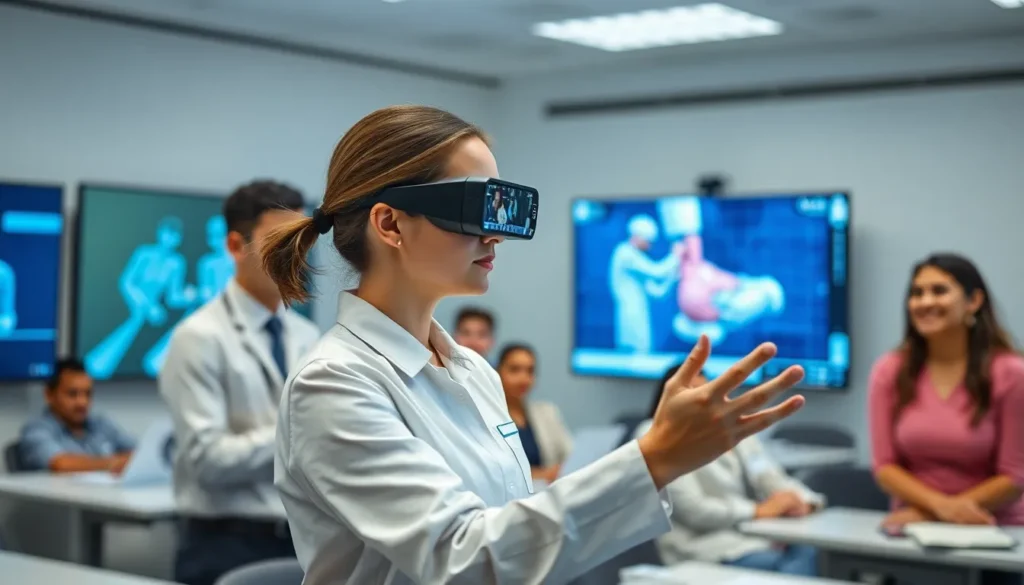
As technology continues to reshape the learning landscape, augmented reality (AR) emerges as a game-changer in training environments. By blending digital elements with the real world, AR immersive training offers a hands-on experience that traditional methods simply can’t match. This innovative approach not only enhances engagement but also boosts retention, making learning more effective.
Organizations across various industries are recognizing the potential of AR to transform their training programs. From healthcare to manufacturing, AR provides realistic simulations that prepare employees for real-life scenarios. As businesses strive to stay competitive, embracing AR immersive training could be the key to unlocking a more skilled and adaptable workforce.
Overview of AR Immersive Training
AR immersive training leverages augmented reality technologies to create interactive and experiential learning environments. It integrates digital content with a user’s real-world surroundings, enabling learners to engage with information in a practical context. This innovative approach significantly improves knowledge retention, as studies show that participants retain up to 75% of learned material through immersive practices, compared to 10% through traditional methods.
Various sectors utilize AR immersive training to enhance employee performance. In healthcare, AR allows medical professionals to practice procedures on virtual patients, reducing the risks associated with real-life training. In manufacturing, employees can use AR for equipment operation training, which facilitates hands-on learning without impacting production lines.
AR immersive training also promotes collaboration among learners. Teams can interact in shared AR spaces, leading to improved communication and problem-solving skills. These interactions prepare workers to face complex scenarios in their jobs, fostering teamwork in high-pressure environments.
The adoption of AR immersive training continues to grow as organizations recognize its potential benefits. By investing in AR technologies, companies enhance their workforce capabilities, making them more competitive in rapidly evolving industries. As AR technology advances, its applications in training will likely expand, offering even more dynamic learning opportunities.
Benefits of AR Immersive Training
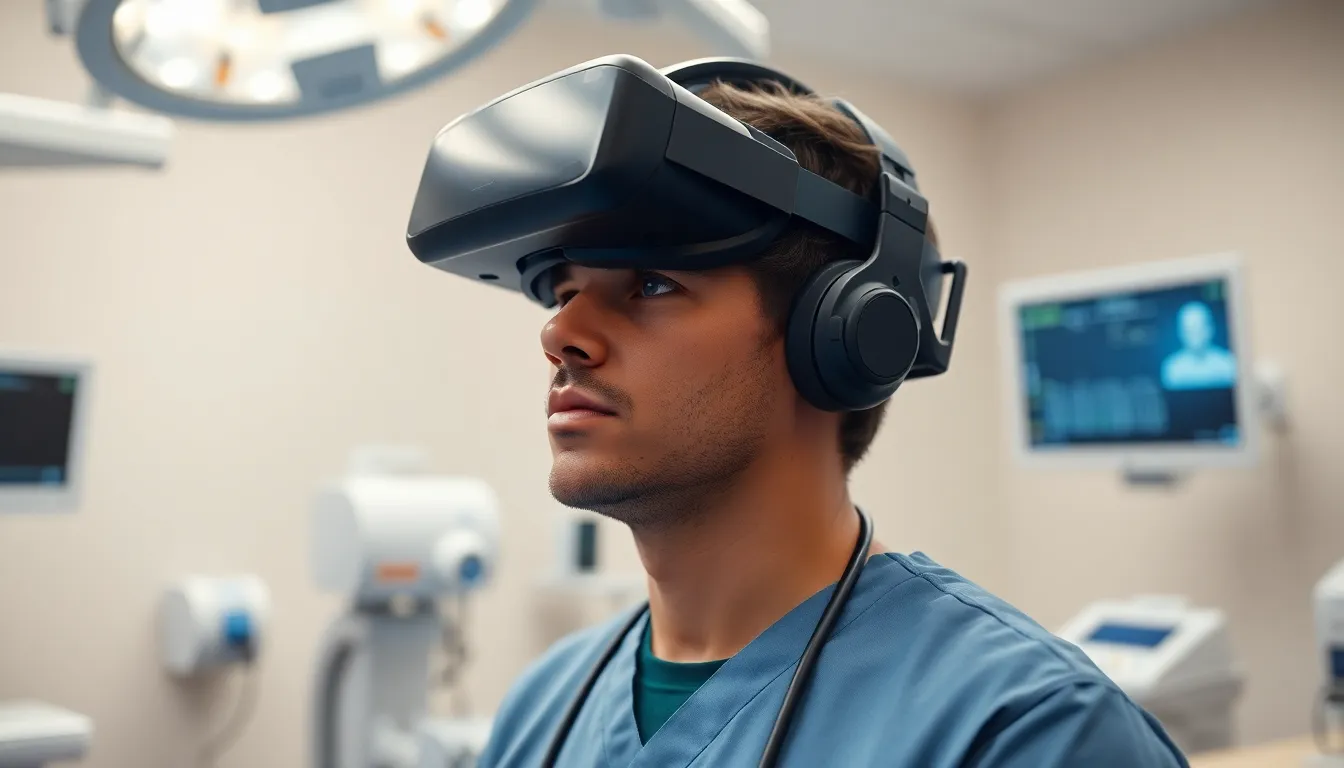
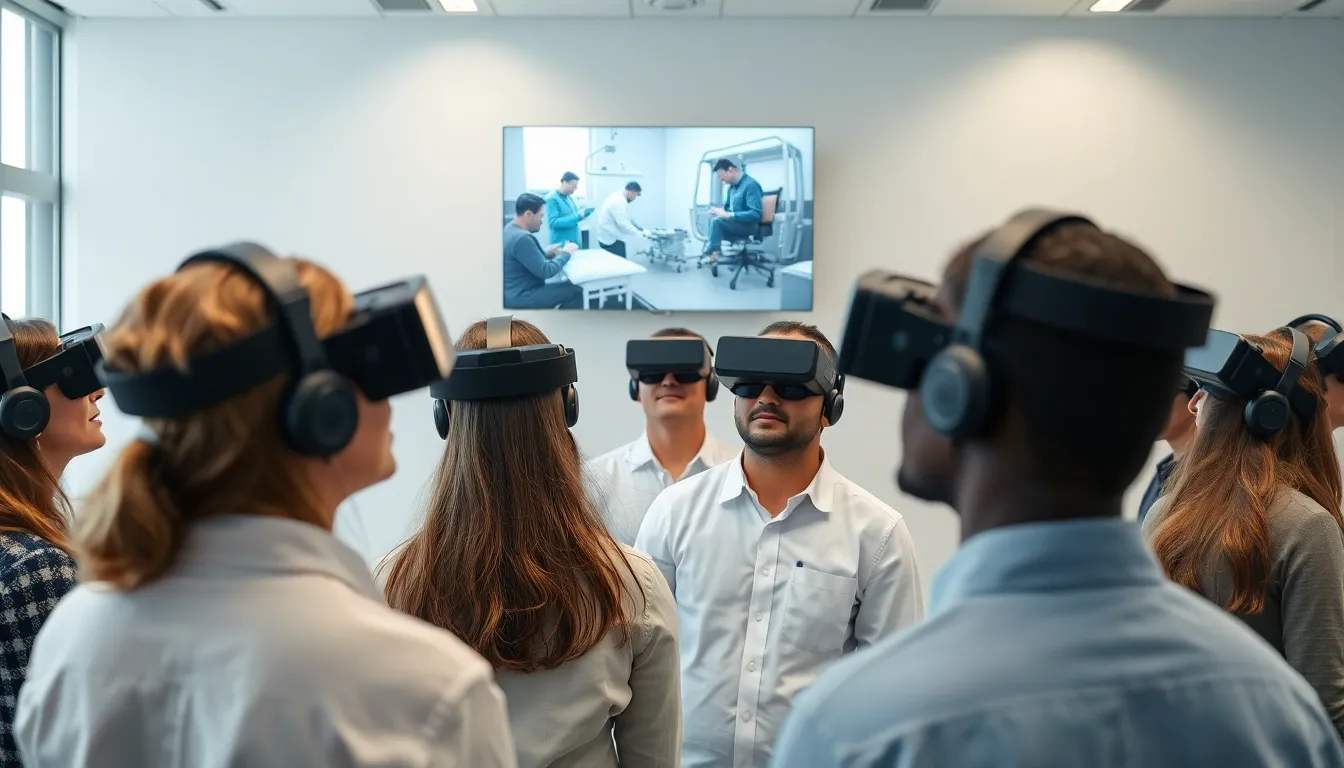
AR immersive training offers significant advantages that transform learning experiences. It significantly enhances retention and practical application, making it a valuable tool across various industries.
Enhanced Learning Engagement
Engagement increases with AR immersive training. Learners participate actively in simulations, which fosters a sense of presence and involvement. This active participation leads to higher retention rates compared to passive learning methods. For example, studies demonstrate that learners retain up to 75% of information when engaged in immersive scenarios. As a result, AR training reduces the cognitive load, allowing learners to absorb complex concepts more easily.
Real-World Application
Real-world applications are vital in AR immersive training. The technology enables realistic simulations that mirror actual job tasks, bridging the gap between theory and practice. In healthcare, for instance, medical professionals can practice surgical procedures on virtual patients. In manufacturing, operators can simulate equipment handling without disrupting production. These applications not only enhance skill acquisition but also build confidence, preparing employees for real-life challenges. Consequently, AR provides a safe environment for trial and error, leading to mastery of skills before facing real situations.
Key Technologies Used in AR Immersive Training
AR immersive training leverages a variety of technologies to create engaging and effective learning experiences. The integration of augmented reality tools and specialized software platforms enhances the overall functionality and user experience.
Augmented Reality Tools
AR tools serve as vital components in immersive training environments. Devices such as smart glasses and mobile applications provide interactive overlays on real-world objects. Notable tools include:
- Microsoft HoloLens: This mixed reality headset allows users to interact with digital content in their physical surroundings, making complex tasks easier to understand.
- Magic Leap: Offers spatial computing experiences through its augmented reality glasses, facilitating real-time collaboration and learning.
- ARKit and ARCore: These software development kits from Apple and Google, respectively, enable developers to create AR applications compatible with mobile devices, enhancing accessibility for learners.
Utilizing these tools fosters immersive experiences that enhance skill development and knowledge retention.
Software and Platforms
AR training software and platforms offer resources for designing and deploying effective training programs. Key software options include:
- Unity: A powerful development platform that allows creators to build AR experiences efficiently, suitable for various training modules.
- Vuforia: An AR development platform that allows for image recognition and tracking, enabling interactive experiences tailored to specific training needs.
- Blippar: Provides a user-friendly interface for creating AR content, which simplifies the development process for trainers.
These platforms enable organizations to tailor training content, improve accessibility, and provide real-time feedback, driving effective skill acquisition and practice.
Challenges in Implementing AR Immersive Training
Implementing AR immersive training presents several challenges that organizations must address to maximize its benefits.
Technical Limitations
Technical limitations can pose significant barriers to effective AR training. Issues such as hardware compatibility, battery life, and user interface complications often arise. Many AR devices require high processing power, limiting their usability on less advanced systems. Additionally, developing high-quality AR content necessitates specialized technical skills and resources, restricting smaller organizations from creating immersive experiences. Connectivity issues in certain environments can hinder the effectiveness of AR applications, creating interruptions during training sessions.
Cost and Accessibility Issues
Cost and accessibility issues represent major obstacles in adopting AR immersive training. Initial investment in AR technology, including hardware, software, and development costs, can be substantial. Organizations must account for ongoing maintenance and updates, which can further increase expenses. Furthermore, access to AR tools remains limited in underfunded industries or regions, creating disparities in training opportunities. As a result, organizations may struggle to justify the investment when immediate returns on training programs are not evident.
Future Trends in AR Immersive Training
AR immersive training continues to evolve, shaping the future of learning across various sectors. Future trends indicate that organizations will increasingly adopt advanced AR technologies for enhanced training experiences.
- Artificial Intelligence Integration: AR platforms will incorporate artificial intelligence to personalize training. AI will analyze learner performance, adapting scenarios to individual needs and improving engagement.
- Enhanced Collaboration Tools: Future AR training programs will feature improved collaboration tools. These tools will enable remote team members to participate in live training sessions, sharing experiences and insights in real-time.
- Data Analytics Utilization: Organizations will leverage data analytics to track training effectiveness. Advanced metrics will provide insights into learner progress, refining training strategies for continuous improvement.
- Broader Industry Applications: The healthcare and manufacturing sectors will expand their usage of AR. This technology will facilitate high-stakes training scenarios, such as surgical procedures and complex machinery operations.
- Seamless Integration with Virtual Reality: The combination of AR and virtual reality (VR) will create hybrid training environments. This integration offers learners immersive experiences that enhance skill development and retention.
- Wider Accessibility: As AR technology matures, accessibility will improve. Organizations will develop cost-effective solutions, making AR training available to a broader range of industries and regional markets.
- Support for Lifelong Learning: AR will support ongoing education and skill development. Training programs will adapt to changing job requirements, ensuring employees continuously enhance their competencies.
- Focus on Soft Skills: Future AR immersive training will emphasize soft skill development. Programs will simulate real-life scenarios, improving communication, leadership, and teamwork abilities.
- Environmental Sustainability: AR technology will contribute to sustainability efforts. Reduced need for physical materials and travel will minimize the environmental impact of traditional training programs.
- Mobile AR Adoption: The rise of mobile devices will promote mobile AR training applications. Learners can access training anytime and anywhere, enhancing flexibility and convenience.
As AR technology advances, it promises transformative changes in training methodologies, providing unprecedented opportunities for learner engagement and skill acquisition.
AR immersive training is revolutionizing how organizations approach workforce development. By creating engaging and realistic learning environments, it enhances retention and practical application of skills. The ability to simulate real-life scenarios fosters confidence and collaboration among learners.
As AR technology continues to advance, its applications will expand across various industries, offering innovative solutions to training challenges. While obstacles like cost and technical limitations exist, the potential benefits far outweigh these hurdles. Embracing AR immersive training positions organizations to thrive in a competitive landscape, ensuring their teams are well-equipped for the future.


