

In an era where environmental concerns take center stage, sustainable tech growth emerges as a vital focus for industries worldwide. Companies are increasingly recognizing that innovation and eco-friendliness can go hand in hand, driving not just profits but also positive change. With advancements in renewable energy, green materials, and efficient processes, the tech sector is poised to lead the way in sustainable practices.
As consumers demand more responsible choices, businesses are adapting to meet these expectations. From electric vehicles to energy-efficient gadgets, the push for sustainable solutions is reshaping the market landscape. This article explores how sustainable tech growth is revolutionizing industries and why it’s essential for a greener future.
Overview of Sustainable Tech Growth
Sustainable tech growth refers to the expansion and development of technologies that promote environmental sustainability. Companies emphasize reducing carbon footprints and enhancing resource efficiency. This focus leads to innovations in renewable energy sources, including solar panels, wind turbines, and bioenergy solutions.
Advancements in green materials significantly contribute to this growth. Industries are adopting biodegradable plastics, recycled materials, and sustainable sourcing methods. These practices minimize waste and reduce environmental impact.
Digital technologies also play a crucial role. Businesses utilize data analytics and IoT devices to optimize energy consumption and improve resource management. For instance, smart grids enhance electricity distribution and management, supporting sustainable energy use.
Consumer demand drives sustainable tech advancements. Increasingly, individuals prioritize eco-friendly products, prompting companies to develop electric vehicles, energy-efficient appliances, and sustainable packaging. This shift influences purchasing decisions across various sectors.
Overall, sustainable tech growth reshapes industries by integrating eco-conscious practices into core operations. This integration enhances overall efficiency while addressing pressing environmental challenges.
Key Drivers of Sustainable Tech Growth
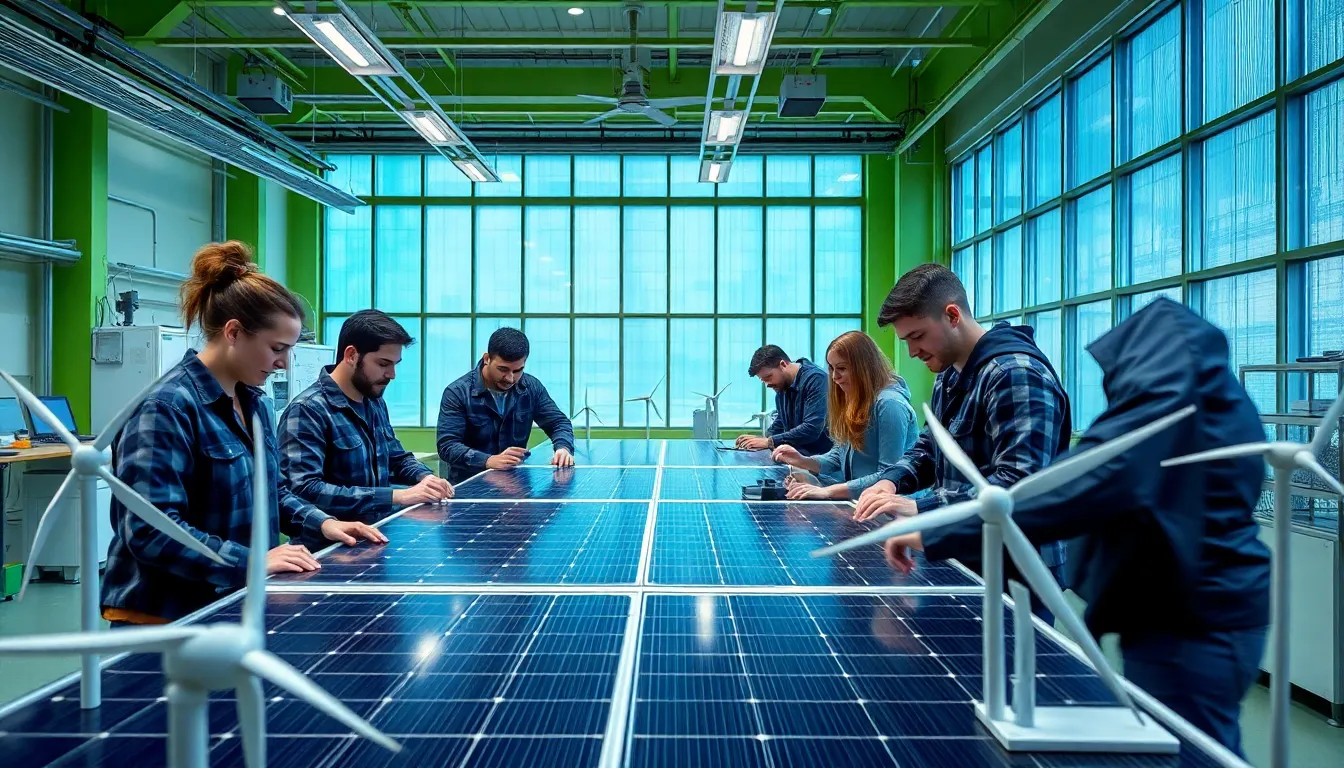
Sustainable tech growth stems from several critical factors, all aimed at addressing environmental challenges while fostering innovation. Key drivers include advancements in renewable energy and the circular economy, both integral to sustainable practices.
Innovation in Renewable Energy
Innovation in renewable energy focuses on developing efficient and sustainable energy sources. Solar panels, for instance, have improved in efficiency by over 20% in recent years, enabling wider adoption across various sectors. Wind turbines have also seen advancements, with installations now reaching heights of 250 feet, allowing access to higher wind speeds. Additionally, energy storage solutions, such as advanced lithium-ion batteries, enhance reliability by storing excess energy generated during peak production times. These innovations support a transition away from fossil fuels and reduce carbon emissions in electricity generation.
Advancements in Circular Economy
Advancements in the circular economy emphasize the importance of recycling and reusing materials to minimize waste. Companies are now designing products with end-of-life in mind, such as modular smartphones and furniture made from recycled materials. For example, the global market for recycled plastics is expected to grow to $55 billion by 2027, driven by increased awareness of plastic pollution. Furthermore, business models that encourage product-as-a-service—like leasing rather than selling—reduce resource consumption and lower carbon footprints. These initiatives not only contribute to sustainable practices but also support economic resilience.
Challenges in Sustainable Tech Growth
Sustainable tech growth faces several challenges that hinder its full potential. Key obstacles include financial barriers and policy and regulatory issues.
Financial Barriers
Financial constraints limit investments in sustainable technology. Initial capital requirements for developing and deploying green technologies can be significant, often discouraging startups and smaller companies. For instance, advanced solar panel manufacturing facilities can require investments exceeding $1 million. Moreover, access to financing options can be uneven, with some regions lacking sufficient resources for entrepreneurs. This uneven distribution can hinder innovation and slow down the transition to sustainable practices across various sectors.
Policy and Regulatory Issues
Policy and regulatory challenges complicate the landscape for sustainable tech growth. Governments often lack cohesive frameworks to support sustainable initiatives, resulting in inconsistent regulations and incentives. For example, tax credits for renewable energy projects might vary widely by jurisdiction, leading to confusion among companies. Additionally, evolving regulations can impose compliance burdens, especially for businesses adapting to new sustainability standards. These factors can create uncertainty and delay the development and deployment of innovative technologies.
Future Trends in Sustainable Tech Growth
Sustainable tech growth is evolving rapidly, driven by technological advancements and increasing consumer demand. The integration of innovative systems and awareness is shaping the future landscape of eco-friendly solutions.
Integration of AI and Machine Learning
AI and machine learning enhance efficiencies in sustainable tech through data-driven insights and automation. Companies utilize AI algorithms to optimize energy consumption, leading to reduced waste and lower emissions. Machine learning algorithms predict energy demands, allowing for smarter grid management and improved resource allocation. Organizations also leverage AI for the design of sustainable products, analyzing materials and processes that minimize ecological footprints. Furthermore, advanced monitoring systems, powered by AI, identify areas for improvement in sustainability initiatives, maximizing their impact.
Impact of Consumer Awareness
Consumer awareness significantly influences sustainable tech growth. As awareness of environmental issues rises, individuals increasingly prefer brands that prioritize sustainability. This shift drives companies to implement eco-friendly practices and develop sustainable products, including energy-efficient appliances and electric vehicles. Market research indicates that 66% of global consumers are willing to pay more for sustainable brands. Social media and digital platforms amplify consumer voices, prompting businesses to adopt transparent and responsible strategies. As consumers demand accountability, companies integrate sustainability into their core operations, fostering a culture of environmental stewardship and innovation.
Sustainable tech growth represents a pivotal shift in how industries operate and respond to environmental challenges. As innovation aligns with eco-friendly practices, businesses are not only adapting to consumer demands but also playing a crucial role in shaping a more sustainable future. The integration of advanced technologies like AI and IoT is enhancing efficiency while promoting responsible resource management.
Despite facing financial and regulatory hurdles, the momentum for sustainable solutions continues to build. With increasing awareness and demand for environmentally conscious products, companies are driven to innovate and implement practices that benefit both the planet and their bottom lines. This evolution signifies a transformative journey toward a greener economy where sustainability becomes integral to business strategy and consumer choice.


