

In today’s digital age, a reliable Wi-Fi setup is as essential as coffee on a Monday morning. Picture this: you’re ready to binge-watch your favorite show, but the buffering wheel of doom strikes again. Frustrating, right? A solid Wi-Fi connection can make or break your online experience, whether you’re working from home or streaming cat videos.
Understanding Wifi Set Up
Reliable Wi-Fi setup plays a critical role in modern daily life. Many activities depend on a strong connection, making its understanding essential.
Importance of Wifi Set Up
A solid Wi-Fi setup supports seamless online experiences. It enhances activities like video streaming, online gaming, and remote work, ensuring high-quality performance. Connections affect productivity and enjoyment; slow or unstable connections lead to frustration. Efficient Wi-Fi setups enable multiple devices to connect simultaneously without signal drops. According to recent research, 82% of users report improved satisfaction when their Wi-Fi functions optimally. This statistic highlights the significance of prioritizing a well-structured Wi-Fi network. Proper installation ultimately enhances day-to-day experiences and improves device compatibility.
Common Challenges in Wifi Set Up
Several challenges arise during Wi-Fi setup. Distance from the router impacts the signal strength. Walls and large furniture can obstruct connections, leading to dead zones within a home. Neighboring networks cause interference, degrading performance. Additionally, incorrect configurations, such as poor password management, can hinder access for multiple users. Security concerns also emerge; unsecured networks risk unauthorized access. Understanding these challenges aids in troubleshooting and achieving a reliable Wi-Fi environment. Efficient solutions often involve utilizing extenders or upgrading equipment to enhance signal coverage and strength.
Steps for Wifi Set Up

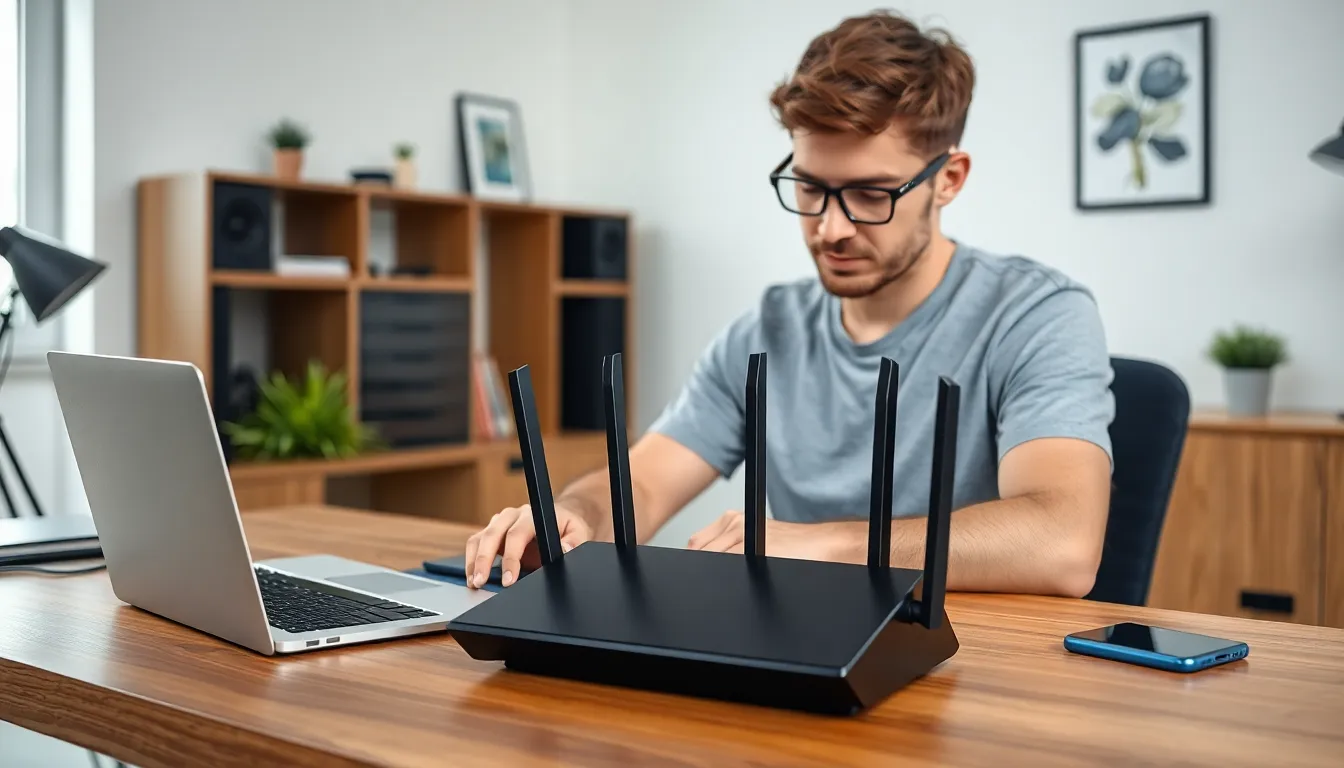
Setting up Wi-Fi requires specific steps to ensure a reliable connection for optimal online experiences.
Choosing the Right Equipment
Selecting appropriate equipment is crucial for establishing a strong Wi-Fi network. Consider investing in a dual-band router that supports both 2.4 GHz and 5 GHz frequencies. These routers provide flexibility for various devices and online activities. Research different brands and models, focusing on features like speed, coverage area, and security options. Transmission speed should meet user requirements, especially for activities like gaming or streaming. Look for routers with multiple antennas, as they improve signal distribution. Checking reviews from other users can help identify the best performers, ensuring the selected router enhances user satisfaction.
Configuring Your Modem and Router
Configuring the modem and router creates a stable connection for household devices. Start by connecting the modem to your internet service provider’s line. Plug the modem into a power source, then connect the router via Ethernet cable. Access the router’s settings through a web browser, using the IP address listed in the user manual. Change the default network name and password to something secure and memorable. Enabling WPA3 encryption ensures data protection. Regularly updating the router’s firmware can enhance performance. Finally, positioning the router in a central location minimizes signal interference and maximizes coverage.
Connecting Devices to Your Network
Connecting devices to the new Wi-Fi network requires a few simple steps. Begin by ensuring that Wi-Fi is enabled on the device, be it a smartphone, tablet, or laptop. Navigate to the device’s Wi-Fi settings and select the network name set previously. Enter the password created during configuration. Many devices allow automatic connection once the password has been entered. For devices that often connect, consider enabling auto-connect options. If any issues arise during connection, restarting the device or router can often resolve them. Maintaining regular checks on connected devices helps keep the network secure.
Optimizing Your Wifi Network
Optimizing a Wi-Fi network enhances performance and security. It’s crucial to focus on router placement and network security.
Positioning Your Router
Place the router in a central location for maximum coverage. Elevating the router improves signal distribution throughout the area. Avoid placing the router near thick walls or electronic devices that may cause interference. Using a higher position also minimizes obstructions and maximizes range. Testing different locations can help identify the best signal strength. Each home setup may require unique adjustments based on layout and size.
Securing Your Wifi Network
Securing the Wi-Fi network protects personal information and prevents unauthorized access. Enabling WPA3 encryption is a top priority for safeguarding the connection. Change the default network name and password to something unique and difficult to guess. Regularly updating the router’s firmware ensures the latest security features are in place. Disabling WPS can further reduce vulnerability. The importance of maintaining strong, intricate passwords cannot be overstated, as they serve as the first line of defense against cyber threats.
Troubleshooting Wifi Set Up Issues
Even with the best setup, issues can arise, impacting the Wi-Fi experience. Identifying common problems leads to effective solutions, ensuring a stable connection.
Common Problems and Solutions
Interference from physical obstructions can degrade Wi-Fi signal quality. Positioning the router at an elevated, central location minimizes impact. Neighbors’ networks may cause channel overlap, so switching to a less crowded channel boosts performance. Devices experiencing connection drops might need firmware updates or a restart. Weak signals in certain areas can be addressed by using Wi-Fi extenders or mesh systems. For security vulnerabilities, ensuring WPA3 encryption is enabled provides essential protection. Lastly, complex passwords prevent unauthorized access to the network.
When to Seek Professional Help
Persistent connectivity issues may indicate a deeper problem. Assessing whether the modem or router is faulty requires expertise. Frequent interruptions during critical tasks suggest a professional evaluation of the network configuration. If devices consistently struggle to connect, it’s time to consult an IT specialist. Network performance monitoring tools can provide insights that a professional might analyze effectively. Additionally, not feeling comfortable with advanced settings should prompt seeking assistance. Ensuring smooth operation often benefits from the guidance of experienced technicians.
A reliable Wi-Fi setup is essential for navigating the demands of modern life. By addressing common challenges and implementing effective strategies, anyone can enhance their online experience. From choosing the right equipment to optimizing network security, each step contributes to a stronger connection.
Troubleshooting issues promptly and seeking professional assistance when needed can further ensure a seamless network. With the right approach, users can enjoy uninterrupted streaming, smooth gaming, and efficient remote work. Embracing these practices not only boosts productivity but also enhances overall satisfaction with internet use.


